
The Dragon's Whisper: How to Wear a Legend
The Dragon's Whisper: How to Wear a Legend
Hey friends,
Let's be real for a second. We've all seen it—that stunning, intricate dragon necklace swallowed whole by a busy floral print, or a magnificent phoenix ring that somehow gets lost next to a chunky smartwatch. It happens to the best of us. Eastern iconography is powerful. It carries millennia of stories in its curves. But that's exactly why wearing it can feel intimidating. How do you honor its grandeur without letting it wear you?
Today, we're moving beyond the museum case and into your closet. Consider this your gentle, practical guide to living with legends.

Part 1: Beyond the Myth - What Are You Really Wearing?
Before we talk style, let's talk soul. When you choose a piece with symbolic motifs, you're not just picking a shape. You're tapping into a deep cultural code.
-
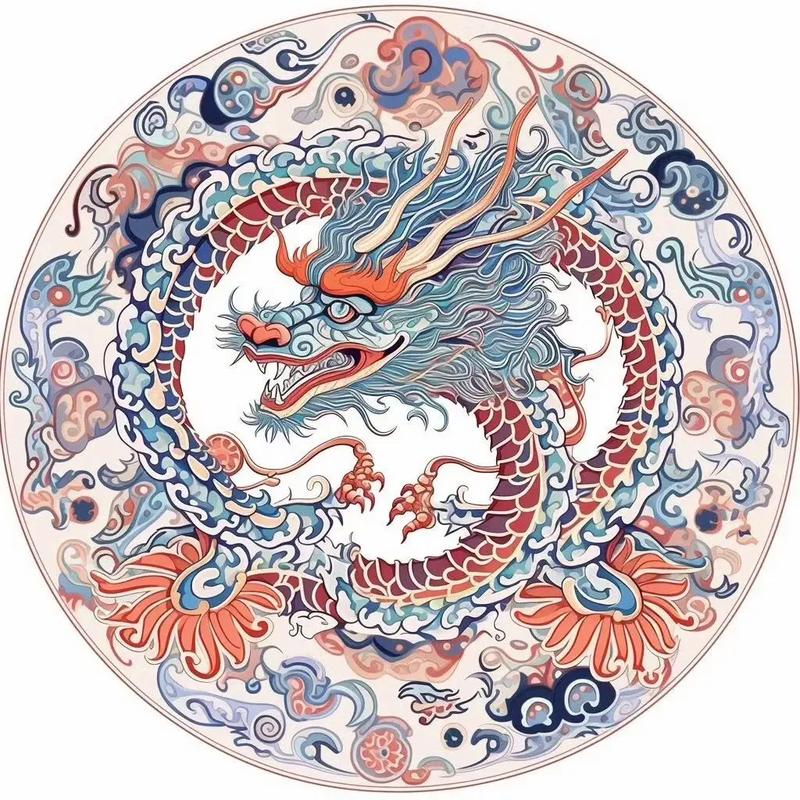
The Dragon (龙 - Lóng): Forget the fire-breathing villain of the West. Here, the dragon is the ultimate symbol of yang energy—power, transformation, and auspicious good fortune. It's not about domination; it's about potency and positive change.
-
The Phoenix (凤 - Fèng): The phoenix represents yin—renewal, grace, and high virtue. Together, dragon and phoenix symbolize a harmonious, powerful union.
-
The Pixiu (貔貅): This mythical guardian beast has a voracious appetite for treasure but no exit, making it the ultimate symbol for attracting and guarding wealth, luck, and prosperity. It's a powerful ally for your entrepreneurial ventures or personal goals.
-
Bamboo (竹 - Zhú): More than just a plant, bamboo embodies resilience, humility, and integrity. It bends but doesn't break in the storm, symbolizing elegant strength and enduring virtue. A perfect reminder of your own core strength.
-
Lotus (莲花 - Liánhuā): Rising unstained from muddy waters, the lotus represents purity, enlightenment, and rebirth. It's a symbol of beauty born from adversity and spiritual awakening.
-
Calabash Gourd (葫芦 - Húlu): With its curved shape and sealed form, the gourd is a classic talisman for health, longevity, and protection. It's believed to capture and contain positive energy while warding off negative influences.
-
Ruyi Scepter (如意 - Rúyì): Literally meaning "as you wish," the Ruyi is the ultimate symbol of good fortune, power, and the fulfillment of wishes. Wearing it is an affirmation of your intentions and dreams.
-
Clouds (祥云 - Xiángyún): These aren't just weather patterns. They are "auspicious clouds," signifying good luck, divinity, and the endless, flowing nature of life.

The Takeaway: You're not wearing a "theme." You're wearing an intention. Is it strength, prosperity, purity, or protection you seek? Name it. That intention will guide your style choices.
Part 2: The Modern Mantra - Three Rules for Wearing Icons
Rule #1: Let It Be the Soloist.
One statement piece is a conversation. Two is an argument. If your earrings feature a coiled dragon, let your neckline be clean. A bold Pixiu ring deserves a bare wrist. Give the icon room to breathe and tell its story.
Rule #2: Juxtapose, Don't Match.
This is the golden rule. The magic happens in the contrast.
-
Pair the Ornate with the Utilitarian: A detailed filigree dragon pendant looks incredibly modern layered over a crisp, white men's-style button-down. The severity of the clothing frames the delicacy of the piece.
-
Mix Symbolism with Minimalism: Try a delicate bamboo-inspired bangle stacked with a sleek, modern watch, or a simple lotus seedpod pendant against a stark black turtleneck. It creates a dialogue between meaning and modernity.
-
Play with Texture: The smooth surface of imperial jade in a gourd-shaped pendant is beautifully offset by the cozy texture of a cashmere sweater.
Rule #3: Recontextualize with Confidence.
Take the symbol out of its expected setting. Wear those "ruyi" motif studs to your tech startup pitch. Let a subtle Pixiu ring peek out from under your sleeve in a boardroom. This isn't disrespectful; it's how culture stays alive—by evolving and finding relevance in new spaces.

Part 3: Your Style Archetype - Find Your Vibe
Not sure where to start? See which of these resonates:
-
The Minimalist: You love clean lines and "quiet luxury."
-
Your Piece: A single, small lotus bud pendant on a delicate chain, or a ring with a geometric bamboo segment engraving.
-
Style It: With tailored neutrals—a beige blazer, wool trousers, and loafers. Let the jewelry be your only secret nod to something deeper.
-
-
The Maximalist (Who Knows Restraint): You adore drama but hate clutter.
-
Your Piece: A sculptural Phoenix or Pixiu cuff in oxidized silver, or a bold ruyi-inspired statement necklace.
-
Style It: With a solid-color, structured dress in a bold hue like emerald green. The simple block of color becomes the perfect gallery wall for your wearable art.
-
-
The Bohe-hemian Soul: You're all about texture, layers, and personal history.
-
Your Piece: Antique-inspired silver rings with dragon scales, or a long nephrite gourd pendant on a leather cord.
-
Style It: Layer the pendant over a flowing, embroidered blouse, or stack the rings with other treasures. It feels collected, personal, and worldly.
-

Final Thought: It's a Personal Mythology
I once had a client, a brilliant female venture capitalist, who wore our "Ascending Dragon" lapel pin on every blazer. To her, it wasn't "Asian decoration." It was a reminder of her own resilience and upward trajectory. She had rewritten the myth for herself.
Another client, a healer, wears a tiny jade lotus close to her heart as a touchstone for purity of intention in her work.
That's the true power of these symbols. They are vessels, waiting for your story to fill them.
So, tell me in the comments: Which icon calls to you, and what's one modern item in your closet you'd pair it with? I read every one.
P.S. Feeling inspired but need to see it? Shop our curated [Modern Icon Edit], where every piece is selected for its wearable, contemporary soul.

Comments